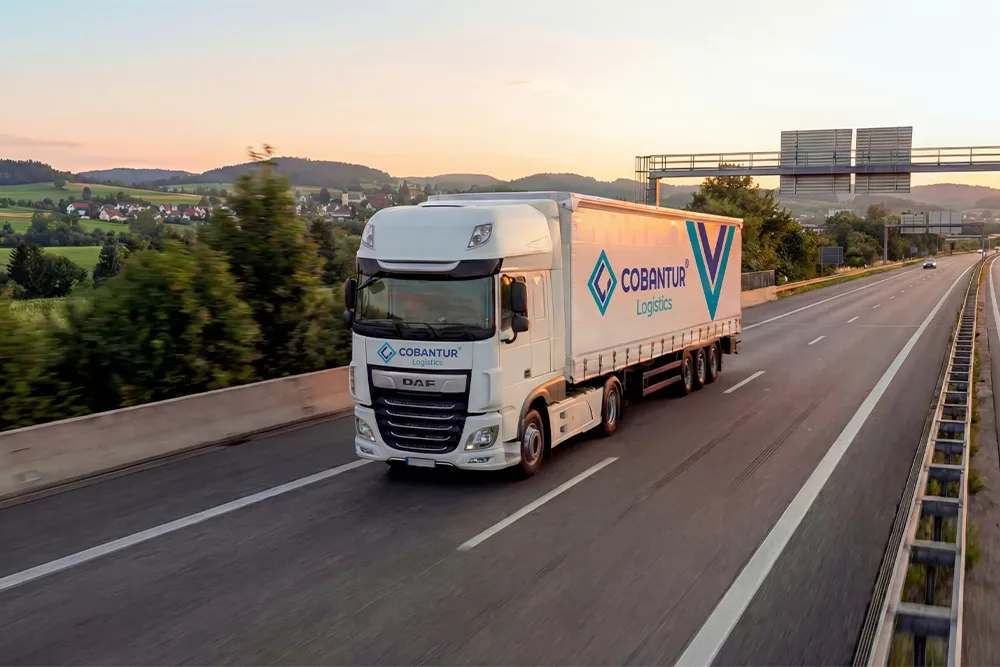
Road transportation is one of the most preferred freight models in both domestic and international trade thanks to its operational flexibility and extensive access network. However, rising fuel costs, border crossing times, driver scheduling, and operational expenses have made cost management a far more strategic priority than ever before. In this context, accurate route planning, appropriate vehicle selection, and choosing the right transportation model based on cargo type provide businesses with a direct competitive advantage.
Fuel Optimization and Cost Control
Fuel expenses constitute a significant portion of total road transportation costs. Distance, road conditions, traffic density, and waiting times at border crossings directly impact fuel consumption. Therefore, route planning should not be evaluated solely on a kilometer basis.
Through alternative route analysis, traffic forecasting, and accurate calculation of transit times, fuel consumption can be optimized. Regular vehicle maintenance, proper tire pressure, and balanced load distribution also contribute significantly to operational efficiency.
Proper Vehicle Selection and Load Model
The volume, weight, and delivery timeline of the cargo determine the appropriate vehicle type. Using an oversized vehicle may lead to capacity inefficiencies and unnecessary costs, while selecting an insufficient vehicle can result in additional shipments.
Partial transportation enables goods to be transported alongside other shipments in the same vehicle, offering cost advantages especially for small and medium-sized consignments. Full truckload transportation allows a single customer’s cargo to be delivered directly and more rapidly. Selecting the appropriate model positively impacts both budget management and time planning.
The Importance of Strategic Route Planning
Route planning involves much more than determining a path between two points. Customs checkpoints, transit permits, road restrictions, driving time regulations, and seasonal conditions must all be taken into account. In international transportation, regulatory differences between countries and transit procedures represent critical components of the process.
Strategic planning shortens delivery times, reduces waiting periods, and lowers empty return rates. This approach strengthens supply chain continuity while increasing customer satisfaction.
Operational Efficiency Through Digital Tracking
Vehicle tracking and planning systems enable transportation processes to be managed in a more controlled and transparent manner. Real-time location data, estimated arrival times, and performance analytics allow rapid intervention in case of potential delays.
Data-driven decision-making enhances route optimization while supporting effective cost control. This structure contributes to the more organized and sustainable management of logistics operations.
Expertise and Integrated Solutions
Sustainable success in road transportation is achieved through the integrated management of planning, technology, and field experience. Çobantur Logistics delivers cost-efficient road transportation solutions through its expert operations team, strong fleet network, and advanced planning infrastructure. From route optimization and vehicle planning to partial and full truckload transportation, as well as digital tracking processes, all stages are managed in an integrated manner to provide timely, secure, and efficient logistics services.