
One of the most frequent crossroads supply chain managers face when planning road shipments is whether to send the cargo as FTL (Full Truckload) or LTL (Less than Truckload). Both transport models have their own unique operational dynamics, advantages, and cost structures. Choosing the right model for your business not only directly affects your shipping budget but also determines your delivery speed and customer satisfaction.
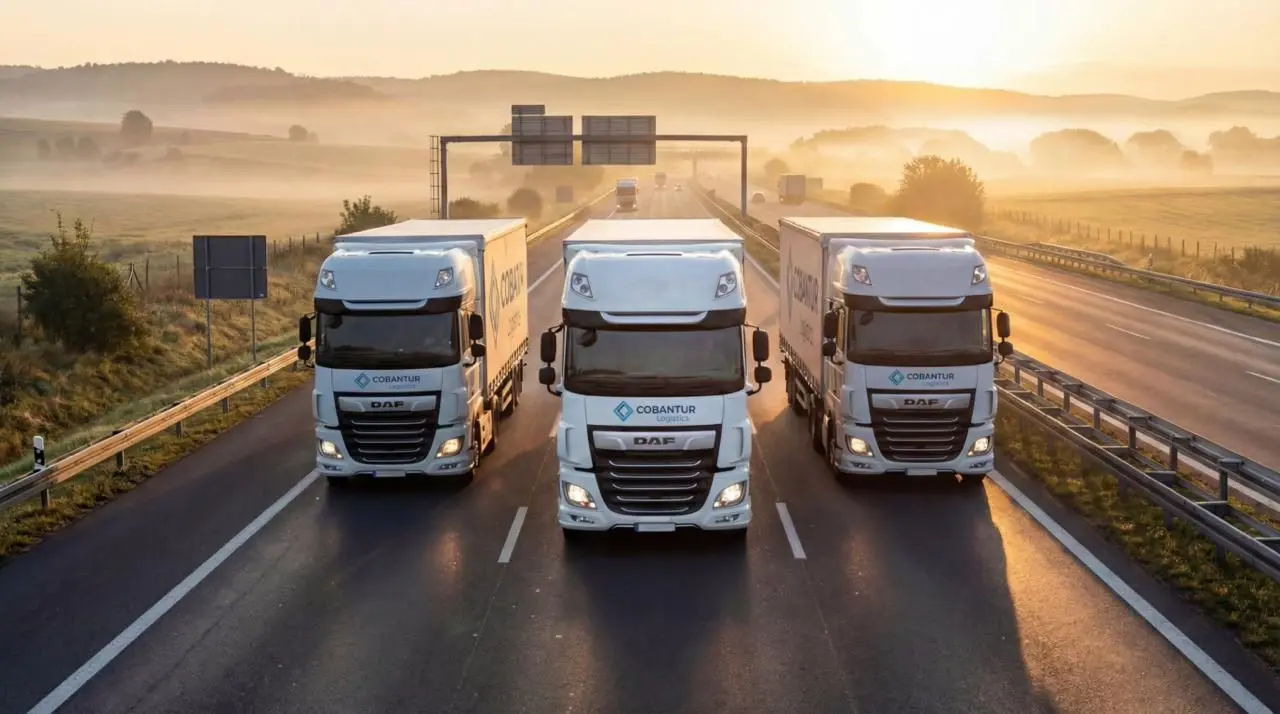
What is FTL (Full Truckload) and When is it Advantageous? FTL means that the capacity of a truck trailer is completely allocated to a single shipper. There are no products belonging to any other company inside the vehicle.
- Advantages of the FTL Model:
- Speed and Direct Delivery: After leaving the loading point, the vehicle goes directly to the destination address without stopping at another warehouse or calling point. This significantly shortens transit times.
- Minimum Damage Risk: The cargo is not unloaded from the vehicle or interchanged with other loads along the way (no handling). In this way, the risk of breakage and loss drops to almost zero.
- Volumetric Flexibility: It is the only option for heavy, out-of-gauge, or large-volume industrial loads that fully fill the truck’s capacity.
What is LTL (Less than Truckload) and When Should it be Preferred? LTL is a transport model in which partial cargo that is not large enough to fill a truck is combined with the loads of other companies going to the same route. Shippers pay only for the space their cargo occupies in the vehicle instead of the whole truck.
- Advantages of the LTL Model:
- Economical Solution: For small-volume or low-tonnage shipments, instead of renting a full truck, you achieve great savings by sharing the freight cost with other shippers.
- Inventory Management and Flexibility: Without waiting for orders to accumulate and the truck to fill up, you can send products piece by piece as they become ready. This reduces your warehouse inventory costs.
Which One is More Economical? Decision Criteria If your cargo occupies more than 60% of the truck floor or if its total weight is close to full truckload limits, FTL is generally more logical, considering the operational speed advantage as well. However, if you are shipping only a few pallets of products and have a flexibility of a few days in delivery time, LTL is indisputably the most economical model.
Çobantur, which sets the industry standards in both FTL and LTL transportation thanks to its wide vehicle fleet and advanced partial consolidation centers, analyzes the road model most suitable for your business needs. Developing tailor-made logistics scenarios in line with your cargo volume, budget, and target transit time, Çobantur offers the speed of full truckload and the cost advantage of partial truckload to your business with a professional management approach.