
The transportation and storage of dangerous goods represent one of the most highly regulated and responsibility-driven areas within the logistics sector. When handling flammable, explosive, toxic, or environmentally hazardous materials, full compliance with international regulations is critical for protecting human health and environmental safety. For this reason, operations conducted under the scope of ADR require specialized equipment, certified personnel, and meticulous operational management.
What Is ADR and What Does It Cover?
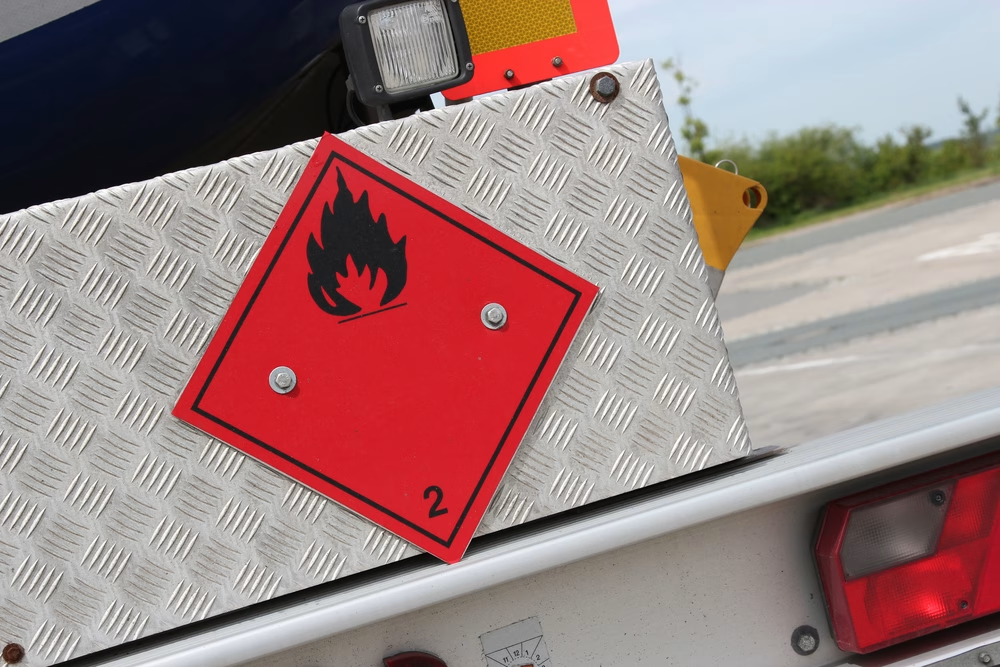
ADR is a regulatory framework that defines the rules governing the international carriage of dangerous goods by road. Under this framework, substances such as chemicals, flammable liquids, gases, explosives, and environmentally hazardous materials are classified into specific categories. For each class, packaging requirements, labeling standards, vehicle specifications, and transportation conditions are clearly defined.
The primary objective of these standards is to prevent accidents during transportation and to minimize potential impacts in the event of an incident. Therefore, ADR-compliant transport operations must be carried out exclusively by authorized and certified companies.
Certification and Regulatory Compliance Processes
Companies engaged in the transportation of dangerous goods are required to hold specific authorization documents. Vehicles must possess ADR compliance certificates, drivers must complete specialized training programs, and operational procedures must be aligned with current legislation. These elements are subject to regular inspections.
Accurate classification of cargo and proper preparation of transport documentation are essential for ensuring a seamless process. Incomplete or incorrect documentation may result in delays and significant penalties. For this reason, operations should be managed by expert teams with comprehensive regulatory knowledge.
Safety Measures in Storage Facilities
The storage of ADR-classified products is as sensitive as their transportation. Warehouse infrastructure, ventilation systems, fire suppression equipment, and safety protocols must comply with relevant standards.
Dangerous goods must be stored according to their classification, and materials that may react with one another must never be placed in close proximity. Additionally, appropriate climate control systems should be implemented for temperature-sensitive products. These precautions help proactively mitigate potential risks.
Operational Risk Management
Risk management in dangerous goods transportation extends beyond physical safety measures. Emergency response plans, personnel training, and regular drills are integral components of the process. In the event of an accident or leakage, rapid and accurate intervention is essential to minimize impact.
Real-time tracking of shipments, careful route planning, and the designation of secure parking areas are additional measures that reduce operational risks. This comprehensive approach strengthens both operational safety and corporate responsibility.
A Safe and Compliant Logistics Approach
The transportation and storage of dangerous goods require expertise and discipline. Çobantur Logistics plans and manages ADR-compliant transportation and storage processes in accordance with international standards, delivering secure and reliable solutions to its clients. With its certified vehicle fleet, trained personnel, and fully compliant operational structure, the company minimizes risks while ensuring the safe and controlled movement of cargo. This approach supports full regulatory compliance and contributes to sustainable, dependable logistics services.