

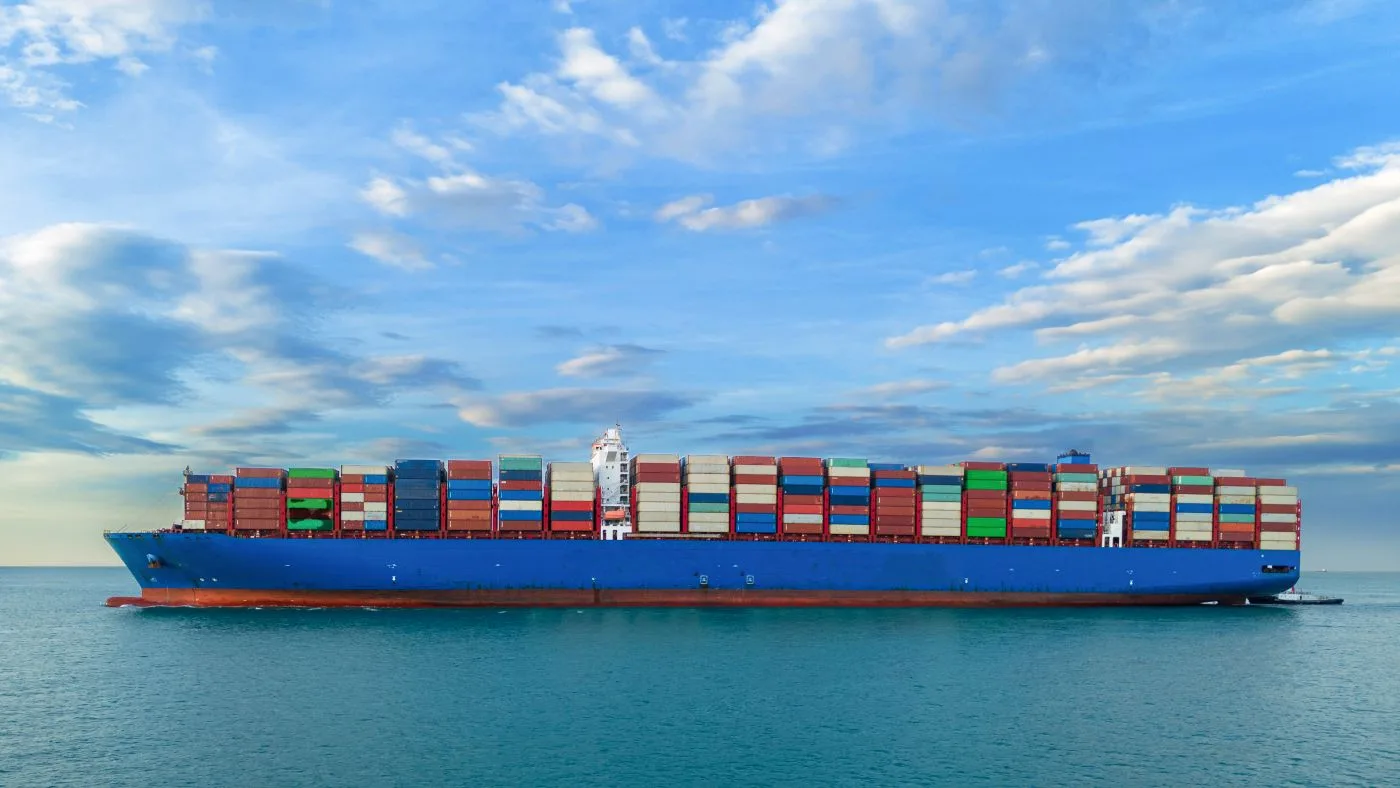
In international trade, sea freight is one of the most preferred transportation methods for moving high-volume cargo due to its cost efficiency and large carrying capacity. Particularly in intercontinental shipments, maritime transport offers sustainable and economical solutions, providing businesses with significant advantages through flexible models tailored to different cargo types. Among these models, FCL and LCL transportation options stand out.
What Is FCL Transportation?
FCL, or Full Container Load, is based on filling a container with cargo belonging to a single shipper. Once loaded, the container remains sealed and is transported directly to its destination without being opened during transit. This method is generally preferred for high-volume shipments.
One of the main advantages of FCL transportation is the direct and controlled movement of cargo. Limited handling and transshipment processes reduce the risk of damage. Delivery times are also more predictable. For companies engaged in regular and large-scale exports, FCL offers operational efficiency and ease of planning.
What Is LCL Transportation?
In the LCL, or Less than Container Load model, a container is filled with cargo belonging to multiple shippers. This method is ideal for small and medium-sized shipments that do not occupy an entire container.
LCL transportation provides cost advantages for low-volume cargo. Since the container cost is shared, companies pay only for the space they use. It offers a flexible solution, especially for businesses entering new markets or shipping irregular volumes. However, due to consolidation and deconsolidation processes, delivery times may be longer compared to the FCL model.
Which Model Is Suitable for Which Type of Cargo?
When choosing between FCL and LCL, factors such as cargo volume, delivery time expectations, budget planning, and operational priorities should be carefully evaluated. If the cargo volume is close to container capacity and delivery time is critical, FCL is generally more advantageous. For lower volumes with flexible timelines, LCL presents a cost-effective alternative.
Product sensitivity is also an important consideration. For fragile or high-value goods, transporting cargo within a single container may be preferable for security reasons. Therefore, selecting the appropriate model is a strategic decision in terms of both cost and risk management.
Comparison of Cost, Time, and Operational Flexibility
In sea freight, cost advantages in the FCL model are typically calculated based on a fixed rate per container. As cargo volume increases, the unit cost decreases. In the LCL model, costs are determined based on volume or weight, offering balanced budget management for smaller shipments.
In terms of delivery time, FCL generally progresses more quickly and in a more structured manner, while LCL may require additional time due to consolidation procedures. Regarding operational flexibility, LCL provides a more adaptable structure for low-volume and irregular shipments. When properly planned, both models deliver efficient and sustainable logistics solutions.
A Reliable Approach in Sea Freight Transportation
In international logistics, selecting the right model is critical for cost control and effective delivery time management. Çobantur Logistics manages FCL and LCL sea freight operations in a structured and integrated manner through its expert team and strong agency network. From cargo analysis and container planning to consolidation processes and delivery coordination, all stages are handled with a professional approach to provide secure, cost-efficient, and sustainable maritime transportation solutions.