
Road transport is the most dynamic and flexible link in the modern supply chain. The success of a shipment is measured not just by the vehicle hitting the road, but by the harmony of equipment selection suitable for the cargo type, loading engineering, and strategic route planning. For companies competing in the global market, these operational details are fundamental elements that directly affect costs and determine delivery performance.
Correct Equipment Selection: Which Vehicle for Which Cargo? Efficiency in road transport begins with selecting the “vehicle according to the load.” Choosing the wrong vehicle can lead to both financial loss and compromised cargo safety.
- Standard Trucks and Curtainsider Trailers: Ideal for general cargo, palletized products, and textiles that need protection from external elements.
- Mega Trailers: Provides maximum space efficiency for high-volume but low-weight loads (automotive sub-industry, packaging, etc.) with a height of up to 3 meters.
- Frigorific (Temperature-Controlled) Vehicles: Trailers with sensors and cooling units are used for cargo that must remain at a specific temperature, such as food and pharmaceuticals.
- Lowbed and Flatbed Trailers: Preferred for heavy machinery or project transportation that falls outside standard dimensions.
Loading Engineering and Lashing (Securing) The most critical stage of the operational process begins in the warehouse. Distributing the loads balanced according to the center of gravity inside the vehicle directly affects the vehicle’s road handling and fuel consumption. Securing techniques, known as lashing, prevent products from being damaged during sudden braking or vibrations. Through correct stacking methods, the volumetric capacity (cubic meters) of the vehicle is used most efficiently while damage rates are minimized.
Dynamic Route Management and Tracking Technologies In the 2026 logistics world, route planning is no longer just about finding the “shortest path.” Smart route management simultaneously analyzes traffic density, waiting times at border gates, weather conditions, and the driver’s rest hours.
- Real-Time Tracking: Thanks to GPS and IoT systems, every second of the cargo is monitored, providing a transparent information flow to the recipient.
- Road Analysis: The most economical route is determined by balancing toll fees (highway/tunnel costs) and fuel consumption.
- Emergency Planning: In case of a potential mishap (road closure, etc.), the immediate activation of alternative routes prevents disruption of delivery times.
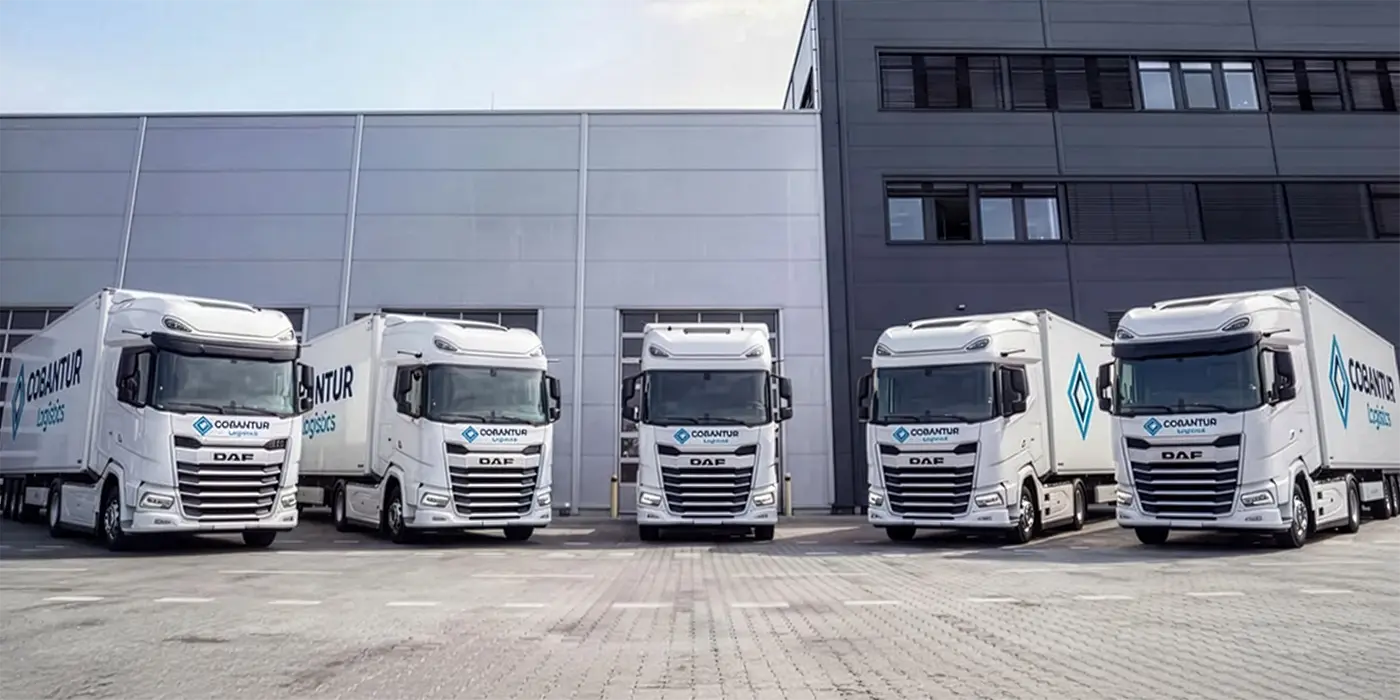
Çobantur, aiming for operational excellence at every stage of road transport and offering specialized solutions to different sectors with its wide fleet, simplifies your logistics processes with its technical expertise. Managing all processes from loading engineering to smart route planning with professional precision, Çobantur delivers even your most complex shipments to their destination with an efficiency and safety-oriented approach.