

In international trade, the success of the logistics process is measured not only by the arrival of the products at their destination at the targeted time, but also by their delivery while maintaining the physical integrity they had at the moment of loading. Road transport is the transport mode where physical vibrations are experienced most intensely due to sudden braking, sharp turns, bumpy roads, and acceleration tendencies. Failure to secure the loads placed inside the vehicle using the correct methods can lead to both billions of liras in commercial damage and fatal accidents that threaten traffic safety. At this point, “Lashing”, namely load securing engineering, comes into play.
What is Lashing (Load Securing) and How Is It Applied? Lashing is the process of securing the cargo to be transported to the truck trailer or container using equipment suitable for its structure, weight, and volume. The securing process is not just about tying ropes; it is an engineering study carried out by calculating the laws of physics and friction coefficients.
Frequently Used Lashing Equipment:
- Ratchet Straps (Spanset / Tension Belts): High-strength polyester straps are tied using vertical or diagonal tensioning methods to prevent the load from moving upwards and sideways.
- Dunnage Bags (Airbags): Placed into the gaps left between pallets or crates and then inflated, these special bags prevent the loads from crashing into each other and tipping over along the way.
- Anti-Slip Mats: These rubber-based floor materials placed under the pallets drastically reduce the load’s tendency to slide during sudden braking by increasing friction.
Correct Stacking and Weight Distribution The success of the lashing process begins with correct stacking inside the vehicle. Placing heavy loads at the bottom and light loads on top is the basic rule. Furthermore, the weight of the cargo must be evenly distributed across the truck’s axles; otherwise, the vehicle’s road handling weakens, and the load exerted on the securing units inside the trailer increases, causing breakages. For sensitive electronic products, glassware, or industrial machinery, special protective edge guards must be used to prevent the lashing pressure from damaging the product.
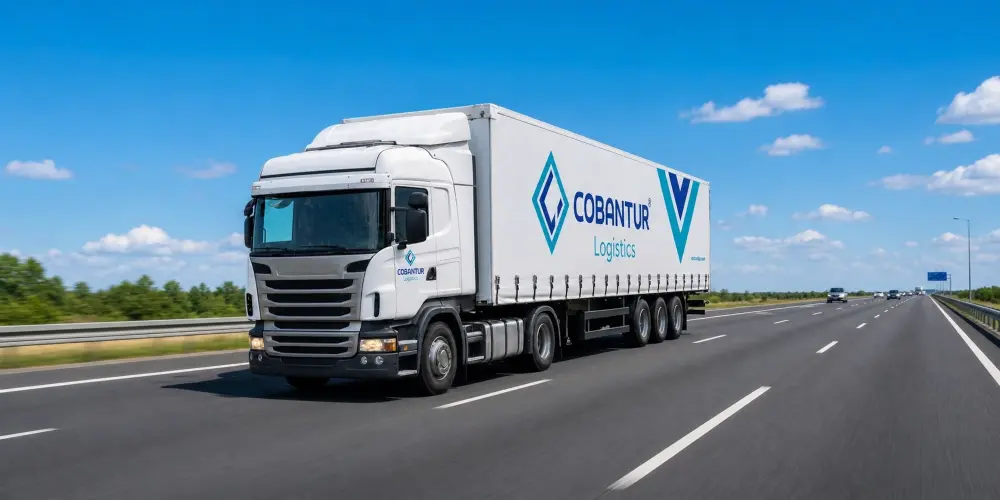
Çobantur, which turns damage-free delivery from an operational promise into a legal standard, applies the most advanced securing and loading techniques in road transport. With its trained expert personnel, internationally certified lashing equipment, and stacking engineering planned according to the character of the cargo, Çobantur fully protects the valuable commercial commodities of its customers against all physical risks on the road and delivers them flawlessly to their destination.