
Logistics networks, the capillaries of global trade, are more complex and therefore more fragile today than ever before. Road transport is the most critical area for risk management because cargo is in direct contact with many external factors such as vibrations, climate changes, accidents, and security threats along the way. For a business, risk management is not just filing an insurance policy; it is establishing a “proactive defense strategy” covering every second from the loading dock to the delivery point.
Risk Categories and Analysis Methods in Logistics The first step in managing risks is defining them correctly. We can examine the risks encountered in logistics processes under four main headings:
- Operational and Physical Risks: Most damages in the transport process stem from faulty operational decisions rather than traffic accidents. Incorrect vehicle selection, faulty calculation of the center of gravity, or inadequate lashing equipment cause products to be tossed inside the vehicle. Especially in sensitive electronic devices or industrial machinery, even microscopic vibrations can cause the product to lose its function.
- Security and Safety Risks: Theft and looting risks are always present in the transport of high-value commodities (electronics, textiles, pharmaceuticals). Failure to analyze routes in advance, drivers taking breaks in unsafe areas, or inadequacy of vehicle tracking systems trigger these risks.
- Natural and Environmental Risks: Sudden weather changes due to the climate crisis, floods, or roads closed due to snow threaten not only the physical integrity of the goods but also delivery times. In cold chain transport, extreme changes in ambient temperature can push the limits of the vehicle’s cooling unit.
- Legal and Bureaucratic Risks: Changes in customs legislation, incomplete documentation, or political tensions at border gates impose heavy burdens on businesses as “waiting costs” (demurrage).
Insurance Solutions: The Sharp Line Between CMR and Commodity Insurance The biggest misconception in the sector is the belief that the CMR insurance provided by the shipping company will cover all kinds of damage at full value. Understanding this distinction is vital for financial sustainability:
- CMR Insurance (Carrier Liability): Based on the 1956 CMR Convention. It is activated only when the carrier is at fault. However, there is a “compensation ceiling.” Payment is made per kilogram via the SDR (Special Drawing Right) unit. If your load is light but very valuable (e.g., microchips), the compensation you receive from CMR insurance may cover only a very small fraction of your actual loss.
- Marine Cargo Insurance (All-Risk): This policy, taken out directly by the consignor, is like the “passport of the cargo.” Whether the carrier is at fault or not, it protects the full value of the goods in case of natural disasters, accidents, fire, or theft. In modern logistics strategies, Cargo Insurance is a necessity, not an option, for high-value loads.
Integration of Technology into Risk Management In the 2026 logistics vision, risk management is now digital. Thanks to IoT (Internet of Things) based sensors, you can:
- Impact Tracking: Monitor when and how severely the load was shaken in real-time.
- Temperature and Humidity Control: Remotely manage the environmental conditions of perishable products.
- Smart Seals: Track second by second whether the trailer has been opened by unauthorized persons.
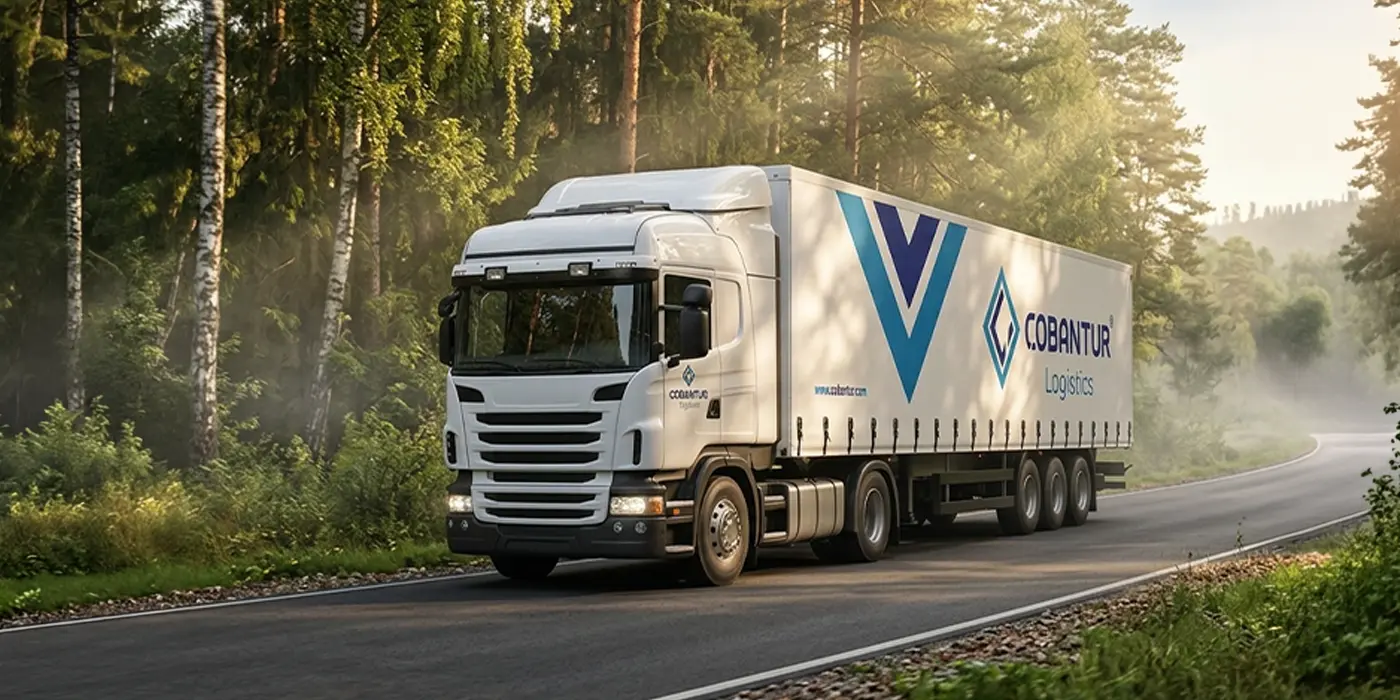
Çobantur, which weaves risk management into the genetics of its operational processes and acts with a “zero error” vision in every shipment, protects the commercial values of its customers at global standards. With advanced vehicle tracking systems, meticulously managed insurance processes, and professional driver training, Çobantur plans all possible risk scenarios in advance, managing your logistics processes in an atmosphere of complete trust and protecting your business against financial uncertainties.